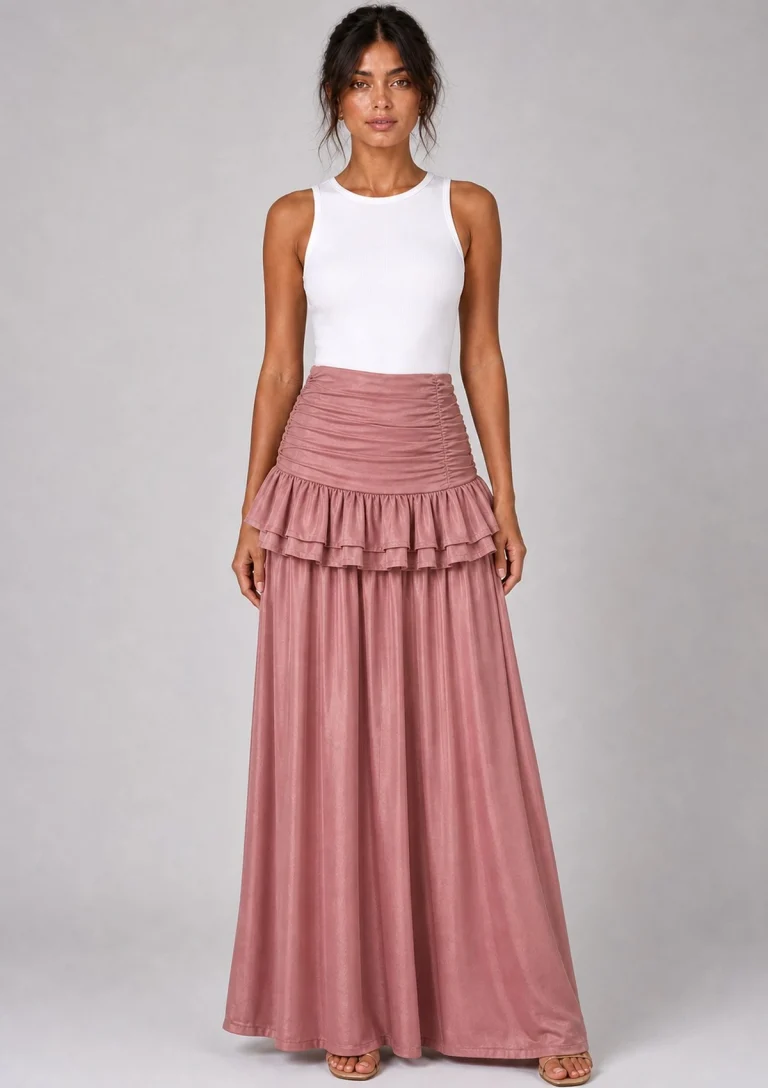
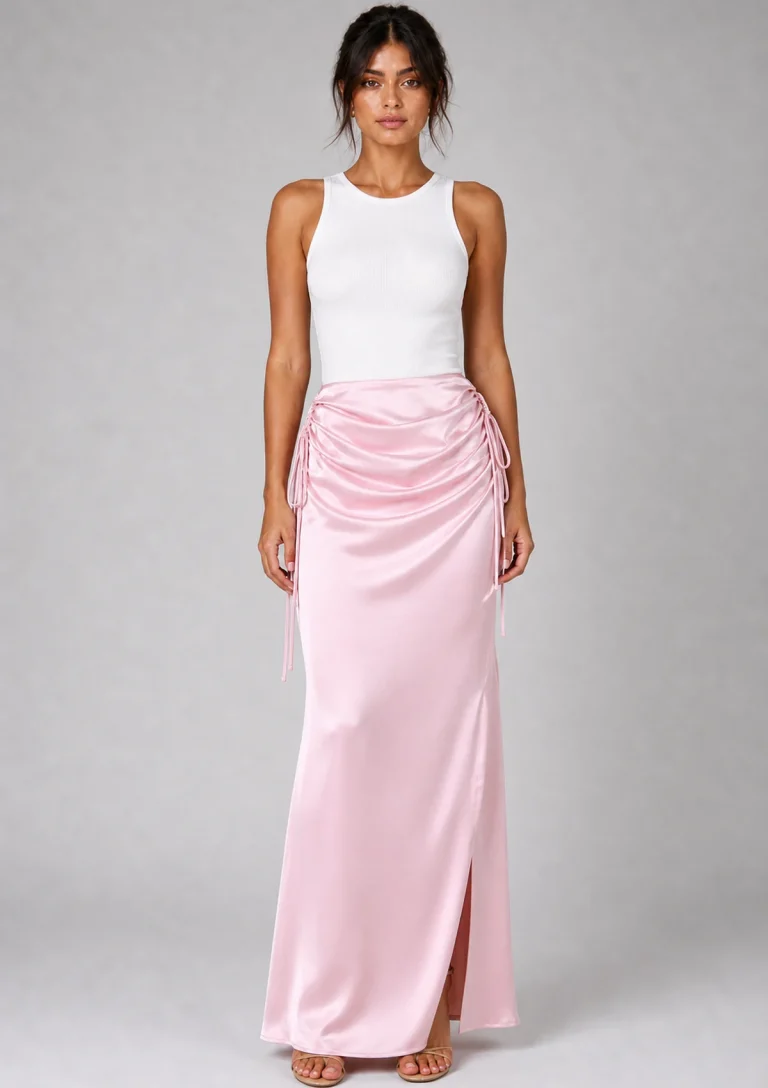
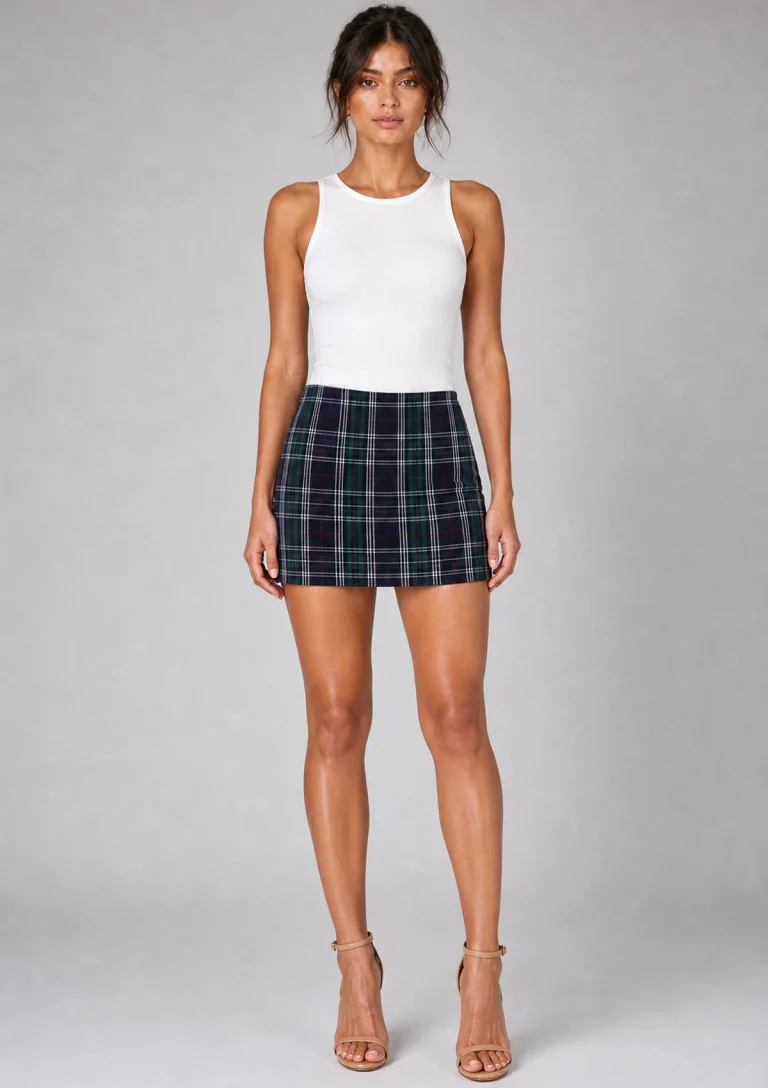
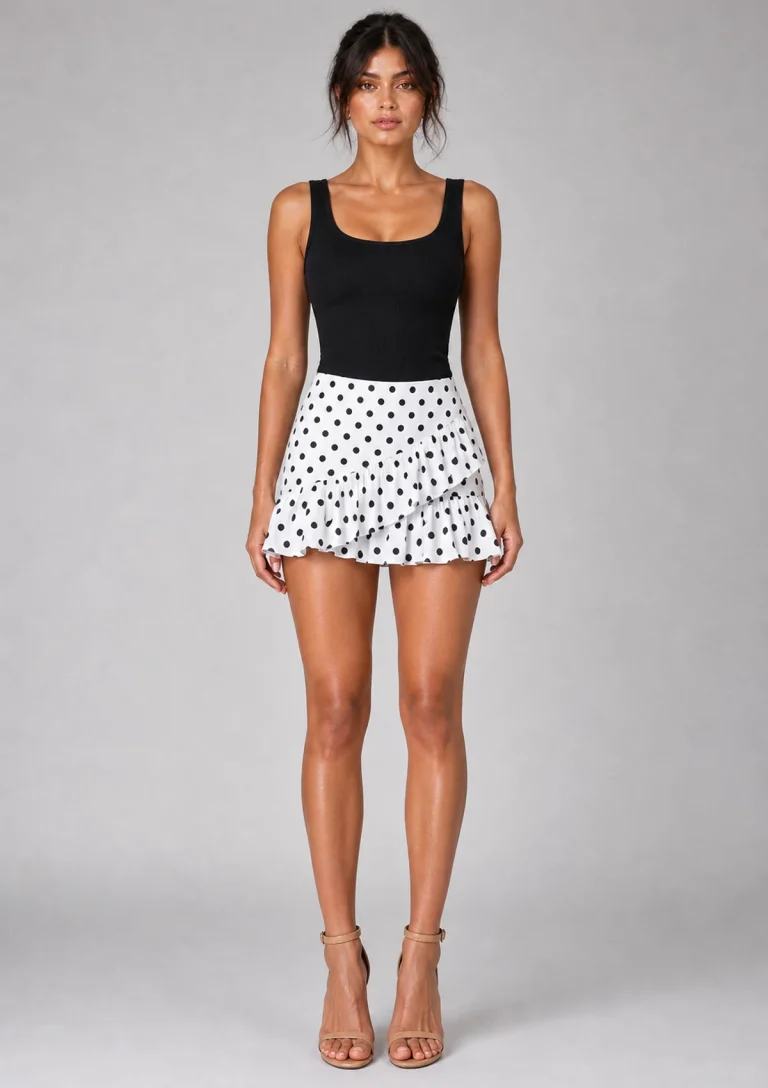
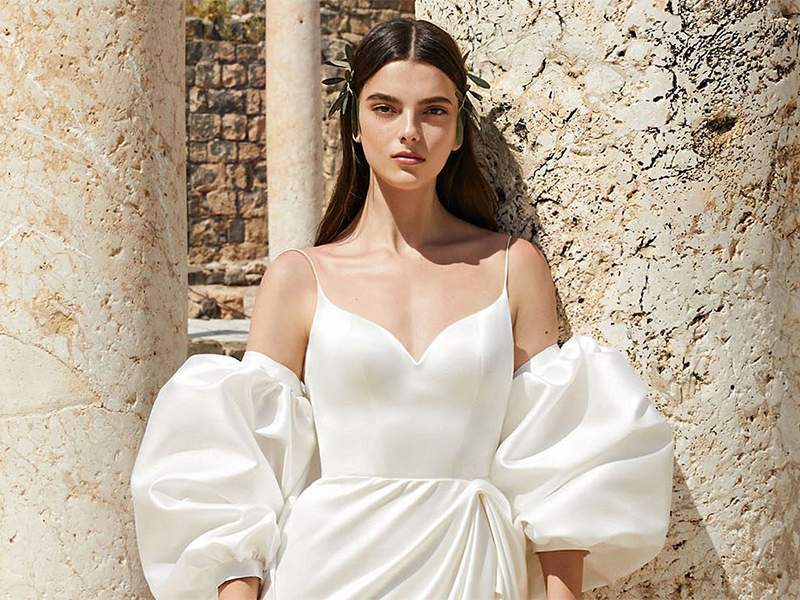
A sample is where a collection stops being an idea and becomes a garment a team can fit, measure, and challenge. For a startup brand or boutique buyer, the useful question is not simply whether a factory can sew the style. It is whether the sample creates a clear, repeatable standard before fabric and labor are committed to bulk production.
What the sample needs to settle
The first sample should reduce uncertainty, not merely create a photogenic version of a sketch. A disciplined clothing sample development process tests the relationship between the intended silhouette, fabric behavior, measurements, construction, trims, and the brand’s target customer. When those decisions remain open, the sample is a learning tool; when they are resolved and recorded, it becomes a production reference.
That distinction matters because fit feedback often exposes issues that a flat drawing cannot: a seam may pull, a gathered panel may add more volume than expected, or a fabric may drape differently from the original reference. Kaou You Apparel develops patterns and samples from tech packs, reference images, or physical garments, so the first conversation should identify which of those inputs is controlling and which details are still exploratory.
Inputs that make a first sample useful
A complete brief gives the development team something concrete to interpret. It does not need to be a perfect technical package, but it should separate must-haves from preferences. Start with the style purpose, intended fit, target size, reference images or sample, construction details, fabric direction, color, trims, and any label or packaging details that affect the garment itself.
- Mark critical measurements and tolerance expectations rather than relying on a general size label.
- Flag visual details that cannot change, such as neckline depth, pocket position, print scale, or ruffle placement.
- Name the feedback owner and the approval point so comments do not conflict after the sample arrives.
These inputs turn a vague request into a workable garment sample process. They also make it easier to identify whether a later change is a correction to the agreed brief or a new design decision that needs another round.
From pattern to the first sample
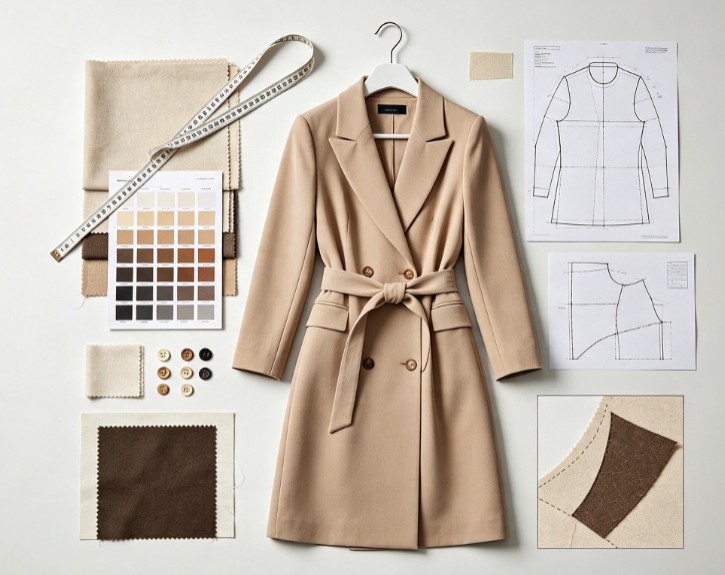
The first sample normally begins with pattern work, material matching, cutting, sewing, and finishing. At this stage, the priority is not to prove that every bulk condition is complete; it is to see whether the pattern and construction express the intended design. Kaou You Apparel’s pattern room and sample workshop can develop patterns and pre-production samples from buyer inputs, with typical sample development quoted at 5-7 days and revisions generally completed within 3 days.
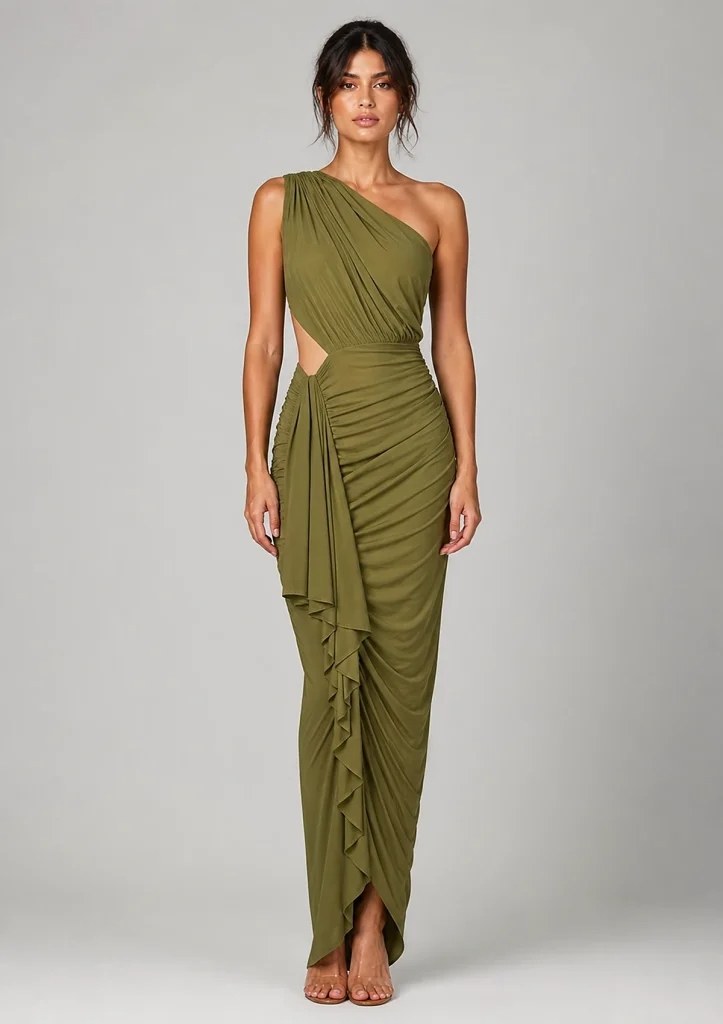
The exact route changes with the garment. Stretch knitwear needs its recovery and seam behavior assessed; a woven dress may require more attention to drape, lining, or closure placement; a style with printing or embroidery needs the artwork and placement reviewed as part of the garment rather than as an afterthought. This is why apparel prototype development is most useful when the brand asks what the sample must prove before it is made.
What to check when the sample arrives
A fit session should convert impressions into decisions. Review the garment on the intended fit model or dress form, then compare the result with the approved brief. Photos help, but written measurements and clearly marked comments create a more reliable revision record. Keep each note tied to a location and an outcome: change, confirm, or investigate.
| Review area |
What the team should test |
Useful decision |
| Fit and balance |
Length, ease, alignment, movement |
Confirm pattern or revise measurements |
| Material behavior |
Drape, opacity, stretch, shrinkage risk |
Confirm fabric direction or test an alternative |
| Construction |
Seams, closures, lining, trim placement |
Confirm workmanship or clarify the method |
| Brand details |
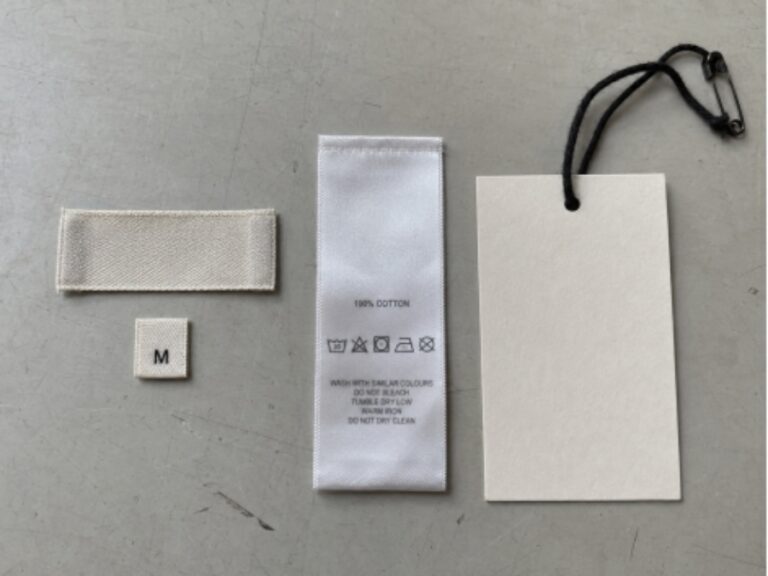
Labels, care information, hangtag position |
Approve placement for the next sample |
Review notes that turn into revisions
The fastest revisions are specific and prioritized. Instead of saying that a bodice feels wrong, state the point of strain, the target measurement, the fitting context, and whether the correction changes the design or only the fit. Use one versioned comment sheet, annotated photos, and a single response deadline. That keeps the next sample from becoming a mix of old and new instructions.
When a pre-production sample becomes the control point
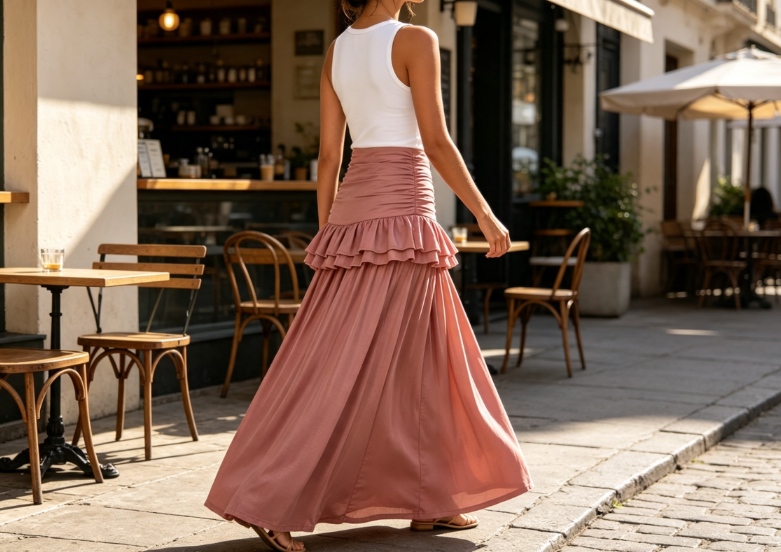
Not every style needs the same number of rounds, but the approval stage should be unambiguous. A pre-production sample is the version used to confirm the agreed pattern, material direction, construction details, and visible branding before bulk cutting begins. It should incorporate the final approved changes rather than restart the discussion from the first fit sample.
Kaou You Apparel uses pre-production sample confirmation as the first of four quality-control stages, followed by first-piece, in-process, and final inspection. For the brand, the practical safeguard is to freeze the approved sample with its measurement chart, material and trim references, and revision history. Any later design change should be treated as a new decision with a stated effect on the sample path.
Conclusion
A good sample path does more than reveal whether a garment looks right. It creates a shared decision record for fit, materials, construction, and brand details before production begins. Give the first sample a defined learning goal, review it with precise notes, and approve the pre-production version only when the team can explain exactly what it represents. When your women’s-fashion style needs review, Kaou You Apparel can turn the brief into a controlled sample path. You can upload your tech pack with the reference images and critical requirements so the Kaou You Apparel team can assess the next sample step with you.
FAQ
How does clothing sample development work?
The process starts with a buyer brief, then moves through pattern interpretation, material and trim matching, sample making, fit review, revision notes, and final approval. The number of rounds depends on how clear the initial inputs are and how much the first sample reveals about fit or construction.
What is the difference between a fit sample and a pre-production sample?
A fit sample is used to assess silhouette, balance, measurements, and comfort while changes are still expected. A pre-production sample is the controlled version that reflects agreed decisions before bulk cutting. It should not be approved until material, construction, and visible brand details are aligned.
Can a manufacturer make a sample from a reference image?
Yes, a reference image can begin development, especially when paired with measurements, fabric direction, and detail notes. An image cannot always show hidden construction or material behavior, so a first sample may expose questions that need a clear brand decision before the next round.
How long should brands allow for sample development?
Schedule enough time for both making and review. At Kaou You Apparel, typical sample development is 5-7 days and revisions are generally completed within 3 days, while complex construction, special techniques, or unresolved materials can add time.
What feedback is most useful after a fitting?
The most useful feedback is specific, visual, and prioritized. Link each comment to a location on the garment, record the target measurement or intended visual result, and state whether the point is approved, needs a change, or needs further testing. This keeps revisions traceable.