For a women’s clothing order, labels and packaging must fit the garment and the brand. Buyers need to get reference images, logo artwork, sizes, preferred materials, and quantities ready. Then, they should check the physical samples. Kaou You Apparel Co., Ltd. organizes these details with partner trim suppliers. The company also tracks the process through packing and inspection.
What Buyers Should Prepare
Begin with reference pictures, your logo, the needed sizes, material choices, and amounts for each item. If some details are absent, Kaou You Apparel will discuss them with you. This happens before deciding how the labels and packaging will be created.
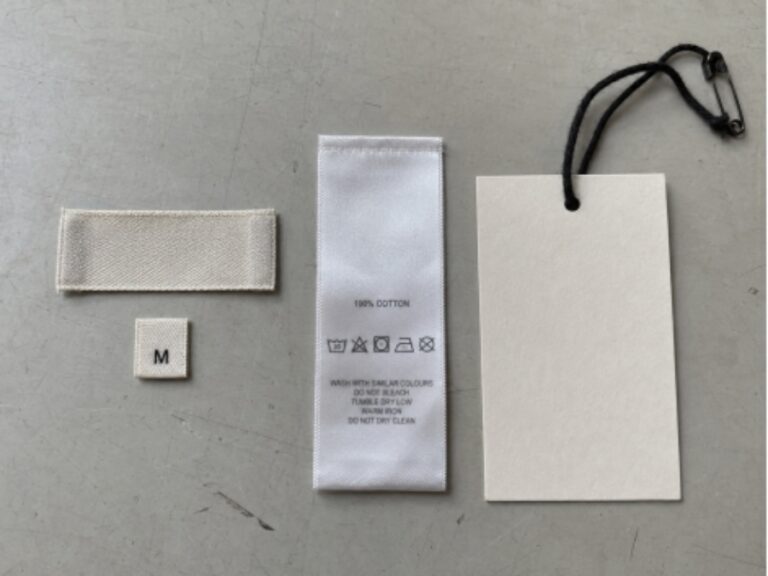
The custom clothing labels and packaging process includes main labels, size labels, care labels, hangtags, stickers, packaging bags, and outer cartons. Partner suppliers usually provide these trims. Meanwhile, Kaou You Apparel manages the communication and tracking. You should note the approved details and how each item will be applied.
Details to confirm with the production team
- Logo artwork and text for each label, hangtag, sticker, and packaging piece.
- Final sizes, chosen materials, amounts, and any fold or finish needs.
- Label placement and hangtag attachment style for each garment type.
- Size details and any text that changes by style or target market.
- Folding, safe wrapping, bag style, and outer-carton needs.
Choose Labels for the Fabric and Garment
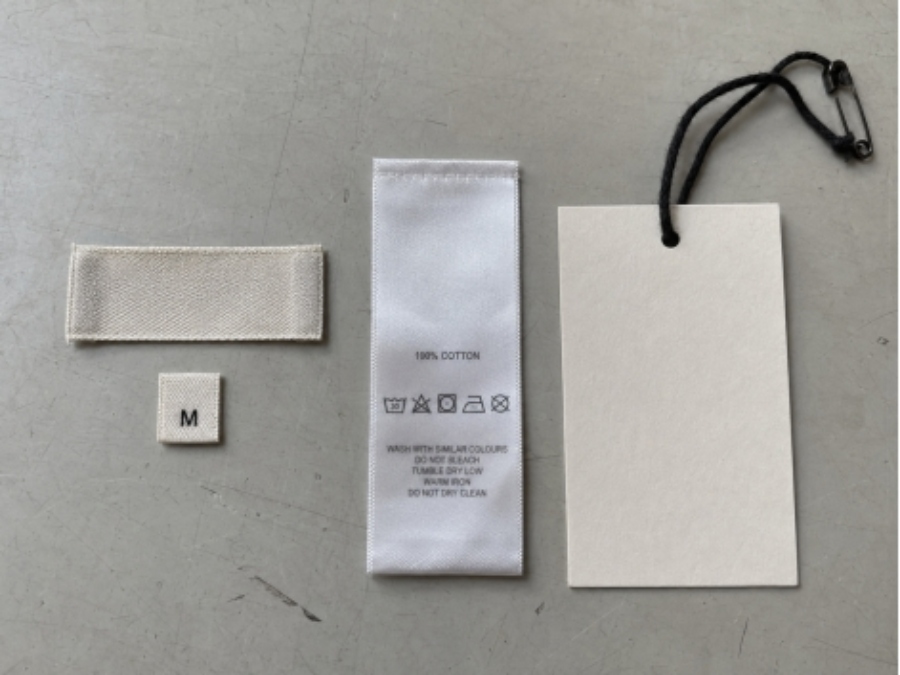
A main label shows the brand. A size label shows the garment size. Furthermore, a care label provides fiber content and care details. The label type and placement must consider the fabric, garment design, and skin comfort.
Woven labels are popular for dresses, tops, and coats due to their feel and strength. They often sit at the back neck or side seam. Printed labels are generally thinner and softer. Thus, they are a good choice for tight styles, stretchy fabrics, or clothes where comfort is key.
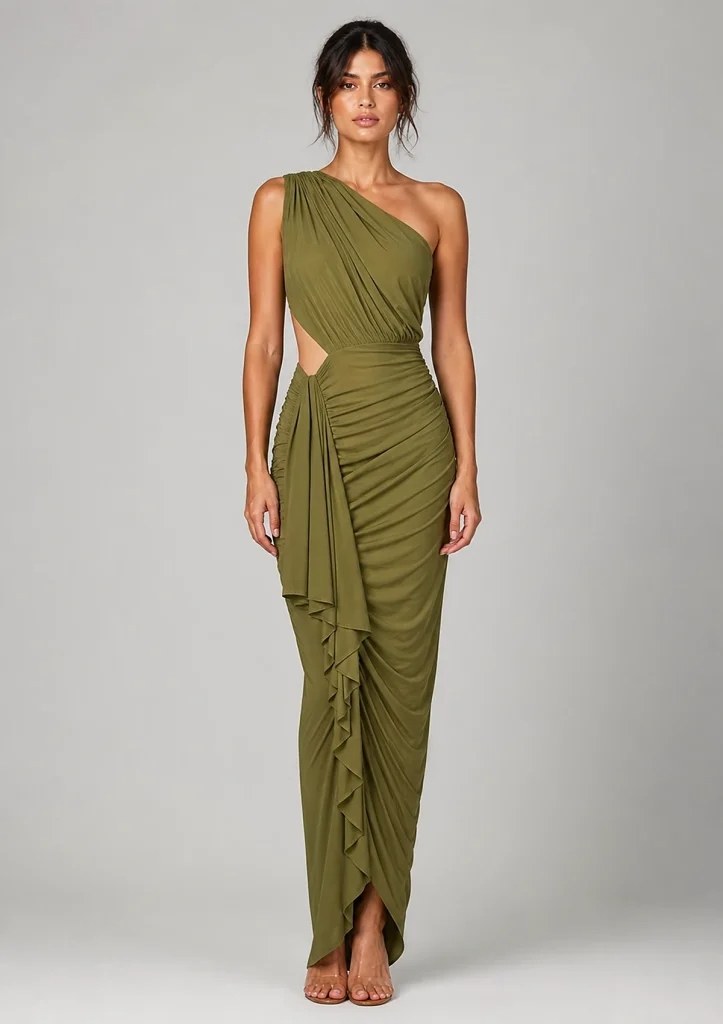
Satin is a label material. On the other hand, woven and printed refer to how a label is produced. Satin labels have a sleek finish. They can fit evening dresses, slip dresses, and light womenswear. You should look at the physical sample for the specific design. For tulle, mesh, and other clear fabrics, thin or clear labels might work. However, you must check if the label and text are visible from the front. These are choices to consider, not strict rules.
Confirm Care Label Wording and Layout
The buyer usually gives the brand name, fiber content, care guides, origin country, size, and market needs. Kaou You Apparel helps verify these against the real fabric makeup, garment build, and wash-test outcomes. The buyer has to approve the final text and design before the care labels are made.
Label and hangtag approval points
| Component |
Primary job |
Key approval point |
| Main label |
Brand identity |
Making method, material, position, fold and stitching |
| Care label |
Fiber composition and care information |
Buyer-approved wording and layout for the actual garment |
| Hangtag |
Brand and product information |
Wording, material, dimensions and attachment |
| Size label or sticker |
Size identification |
Size matches the garment and packing list |
Choose the Hangtag Attachment with the Garment
Hangtag ties often include plastic tag pins, cotton strings, tag seals, and safety pins. Select the tie style to match the fabric and design. Also, check the tie spot on the garment sample.
For fragile fabrics, look at the tie and spot closely. A heavy hangtag or wrong tie can ruin the garment’s look. A sample allows the buyer and production team to see how the hangtag hangs. This is done before applying the method to the whole order.
For private label hang tags, verify the text, material, sizes, hole spot, tie, and tie location with the production team.
Pack Each Style to Protect Its Details
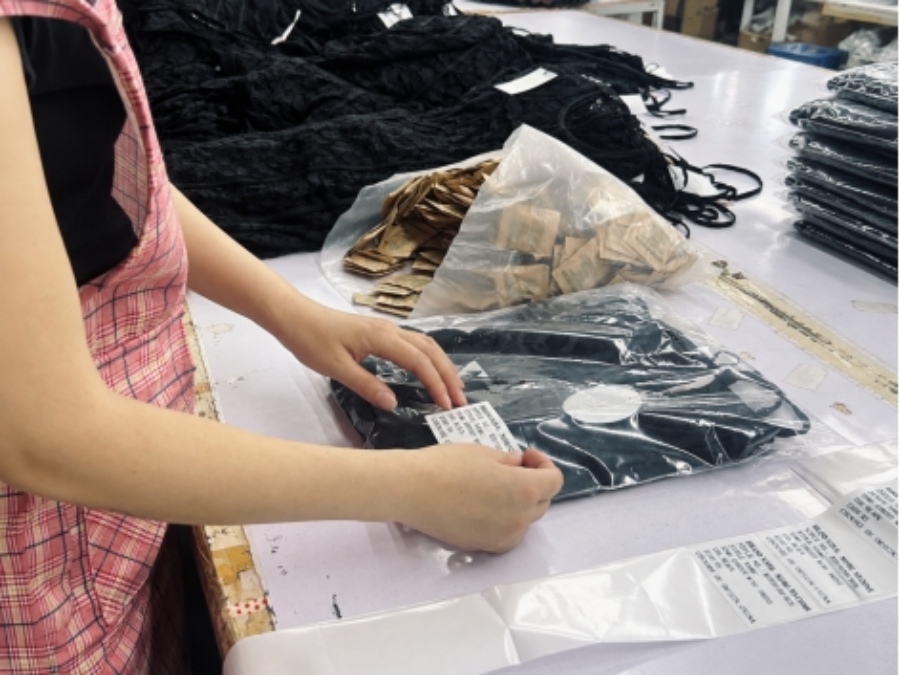
Packaging must be designed for the real garment. Kaou You Apparel uses various folding ways for different designs. Sections with sequins or other decorations get extra tissue paper wrapping before packing.
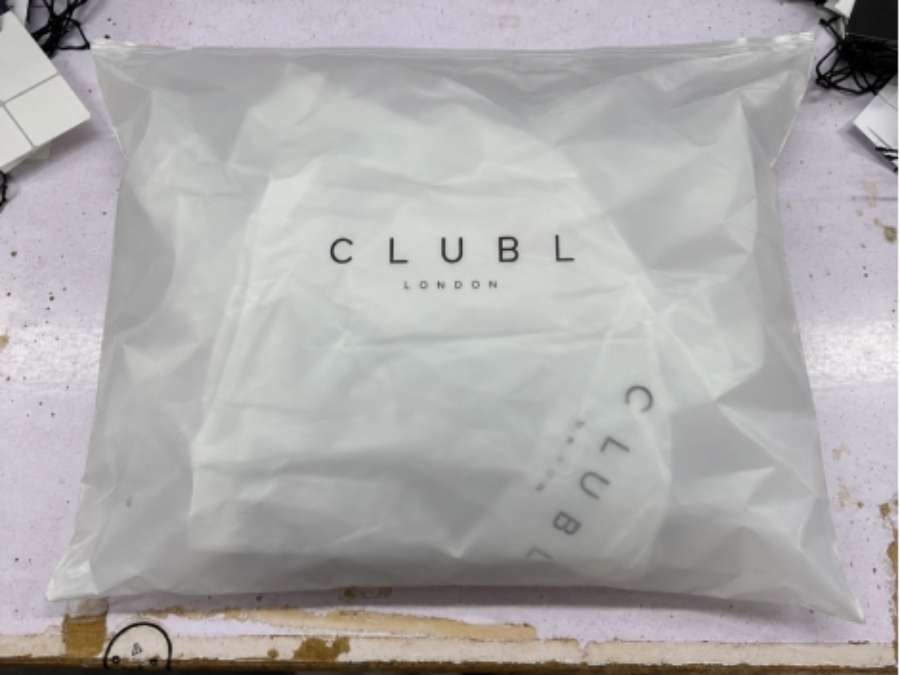
Check the packaging bag and outer-carton needs along with the folding way. Kaou You Apparel offers custom OPP bags and outer cartons. Please verify the bag material and design for your order with the team.
Checks before garments are packed
- Approved main labels, size labels, care labels, and hangtags for the design.
- Garment size fits the hangtag, size sticker, and packing details when used.
- Folding way fits the design, using tissue paper around sequins or other decorations.
- Packaging bag, outer-carton details, and amounts fit the approved packing needs.
Approve Physical Samples and Trim Quantities
Kaou You Apparel usually gives physical label and packaging samples for buyer check. Look at the material, sizes, and total look instead of just trusting digital art. Check the labels and hangtags on the garment. Also, see how the packaging bag holds the folded piece.
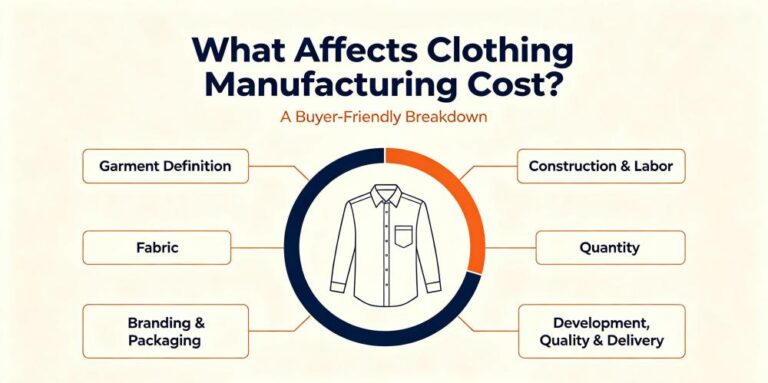
Custom trims mostly have minimum order quantities of about 1,000 pieces. This depends on the specific item and project. This is a trim MOQ, which is different from the garment MOQ. It does not mean all label or packaging types share the same minimum. Material and amount are the main things changing trim price.
The custom garment packaging plan must also include extra trims. They can stay at the factory for future orders or ship to the buyer at once. Check amounts and the best plan with the team.
QC Checks Labels and Packaging Before Shipment
QC reviews labels and packaging using the packing list before shipping. The check covers size details and packing facts, along with the total garment look. Look at the garment, its size label, hangtag, and any packaging sticker at the same time. This ensures any error is spotted before closing cartons.
A size error might mean unpacking, fixing, and repacking garments. This makes the pre-packing check vital, even if the garment passed its own check. Any wrong labels, tags, or packing details must be fixed before shipping the affected items.
Confirm the Details Before Production
First, get the reference pictures, logo, sizes, materials, and amounts ready. Next, check label text and spot, hangtag ties, physical samples, trim amounts, and packing ways. These choices assist the team in keeping the approved brand details right up to the last QC check.
Send your reference pictures, logo art, label needs, and packaging choices to Kaou You. You can contact us regarding private label packaging and the details pending approval.
FAQ
Which labels and packaging can be customized?
Kaou You Apparel can arrange custom main labels, size labels, care labels, hangtags, stickers, packaging bags, and outer cartons. Partner suppliers usually make these trims. At the same time, the team handles talks and tracking.
Who confirms the care label wording?
The buyer supplies the brand name, fiber content, care guides, origin country, size, and market rules. Kaou You Apparel helps check these against the real fabric makeup, garment build, and wash-test outcomes. The buyer approves the final text and design.
How should labels be chosen for lightweight women’s clothing?
Think about the fabric, design, skin touch, and outside look. Printed labels can fit softer or tight garments. Satin is a material choice offering a sleek finish. For clear fabrics, test thin or clear types on a sample to see if the label or text shows through.
What is the minimum order quantity for custom trims?
It is mostly about 1,000 pieces. However, the amount needs checking for the specific trim and project. It is separate from the garment MOQ. Extra trims might stay at the factory for later orders or ship to the buyer.
Who checks labels and packaging before shipment?
QC reviews them using the packing list. They also check them while looking at the garments’ total look. Size details, labels, hangtags, and packaging must match before putting the garments into outer cartons.