For a new clothing brand, the OEM vs ODM decision is about where design responsibility sits. OEM keeps the product brief in the brand’s hands; ODM starts from a factory’s existing design capability. That difference helps buyers balance fit, identity and launch timing.
Understanding OEM and ODM in Clothing Manufacturing
OEM and ODM place time, creative control and development risk in different hands. The right choice depends on how much of the collection is defined, how quickly a sample is needed, and how much differentiation the range must show.
OEM clothing meaning
OEM means the brand leads the product brief. A buyer may provide a sketch, measurement chart, construction notes, fabric target, physical sample or tech pack. The factory interprets those inputs, develops a pattern, sources materials, makes samples and holds the approved details through bulk production. This route suits a collection whose fit or signature detail is part of the brand’s value.
ODM clothing meaning
ODM means the manufacturer brings more of the starting design. The buyer can select a proven silhouette, then request changes to fabric, color, fit, trim, labels, packaging or selected construction details. It can remove early friction for a startup, but clear approvals are still needed to keep the range distinctive. The ODM clothing meaning is therefore not simply “cheaper OEM”; it is a different allocation of creative work.
Compare the Decisions Behind Each Model
Compare the work that happens before bulk cutting, not the labels alone. The table shows where responsibility usually sits and what a buyer should confirm first.
| Decision point |
OEM |
ODM |
Buyer checkpoint |
| Design input |
Brand supplies the brief, tech pack or sample. |
Factory supplies or adapts a design base. |
Decide how much creative work is ready. |
| Development work |
Pattern and construction follow the brief. |
Factory proposes a workable style, then adapts it. |
Ask what the sample scope includes. |
| Control |
Highest control over fit and identity. |
Faster start, less control over the base style. |
Confirm revision and approval points. |
| Speed and risk |
More decisions can extend the first launch. |
A base can shorten development but needs differentiation. |
Balance launch date against uniqueness. |
| Best fit |
Distinctive collections with clear ownership goals. |
Startups testing a market direction. |
Choose the model that matches your evidence. |
Design control and ownership
Design control is the clearest dividing line. OEM gives the brand more authority over measurements, construction and visual language when requirements are documented and approved. ODM gives a faster starting point, but the base style may also be available to other customers unless exclusivity or modification terms are agreed in writing. Treat intellectual-property questions as contract checkpoints.
Development speed and commercial risk
Development speed depends on the amount of unknown work. A detailed OEM brief can move efficiently, yet a complex silhouette may require more fitting and revision. ODM may shorten the first sample because the factory begins with a workable base, but material changes, grading and brand details still need approval. A lower entry barrier does not remove measurement checks or a final pre-production standard.
Match the Model to Your Collection Brief
The best model is the one that matches the evidence your team can provide today. Use these practical signals when planning a first range:
- Choose OEM for a unique fit, protected silhouette or specified construction.
- Choose ODM to test a market quickly or build a capsule from proven shapes.
- Use a hybrid route when a factory base supplies speed but your brand needs meaningful changes.
- Before approval, confirm sample version, tolerances, materials, labels, packaging and file ownership.
These checks keep an OEM ODM apparel program grounded in a real brief. They prevent a common mistake: comparing a fully specified OEM quotation with an early ODM estimate as if both included the same work. Ask suppliers to separate sample work, material assumptions and production scope.
How Kaou You Supports Either Route
Once the model is chosen, the practical risk is translation: a design idea must become a sample, a confirmed specification and a repeatable production standard. Kaou You Apparel supports buyer-led development from sketches, physical samples and tech packs, while also adapting existing product directions for private-label collections.
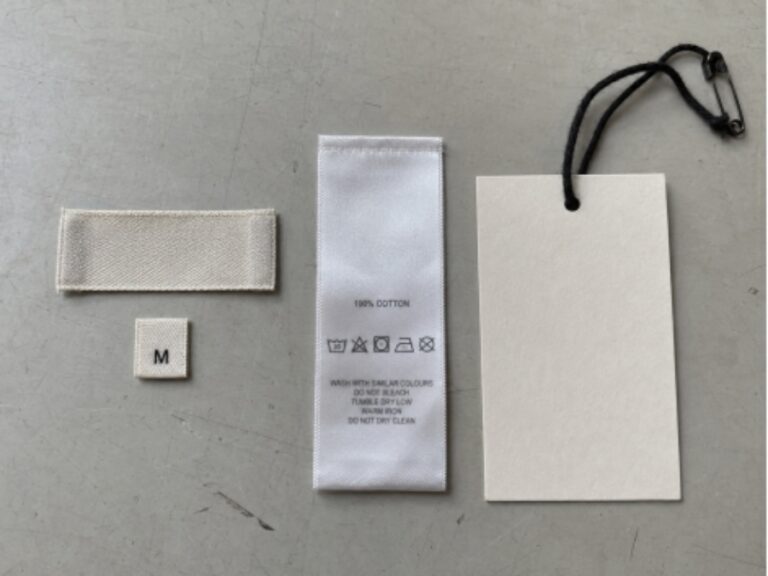
The workflow can include pattern adjustment, fabric and trim matching, sample review, size grading and customized labels, hangtags and packaging. The sample workshop typically develops a first sample in 5–7 days, with revisions generally completed within 3 days when information and materials are available. These checkpoints give an OEM buyer a documented path and give an ODM buyer a controlled way to differentiate a factory base.
Production control continues after sampling. Kaou You operates ten sewing lines and manages cutting, sewing, finishing and packaging in-house, with stated capacity above 80,000 pieces per month. Quality checks cover raw materials, pre-production confirmation, first-piece inspection, in-process checking and final pre-shipment inspection. The model creates value only when approved details survive bulk production.
Summary: Choose by Control, Speed and Proof
OEM is usually the stronger fit when design control is the priority; ODM is usually the stronger fit when a practical starting point and faster validation matter more. Compare the models against your brief, sample workload and differentiation needs, then choose the route whose responsibilities can be checked at each production gate.
If you already have a sketch, reference sample or tech pack, you can contact our team with the collection scope and target market. Kaou You can then advise whether an OEM, ODM or hybrid development path is the most workable next step.
FAQ
What is the difference between OEM and ODM clothing?
OEM starts from the buyer’s design brief. ODM starts from a factory design base that the buyer adapts. The key difference is who leads product definition before sampling, not a guaranteed quality gap.
Is OEM more expensive than ODM?
Not automatically. OEM may require more development work, while ODM can reduce early design effort. Final cost depends on materials, construction, sample rounds, quantity and packaging. Compare quotes with the same scope.
Can a startup use ODM first and move to OEM later?
Yes. A startup can test demand with an ODM base, then develop original OEM styles after learning from customer response and fit requirements. Keep approved measurements, materials and labels for continuity.
What should I send a factory before choosing a model?
Send sketches, reference images, a tech pack, measurement chart, target fabric, colors, trims, quantity and timing. State any gaps. The factory can then explain whether OEM development or an ODM base will close them more efficiently.
Does Kaou You support both OEM and ODM projects?
Yes. Kaou You supports sketches, physical samples and tech packs, and adapts product directions for private-label buyers. The team can coordinate pattern work, fabric and trim sourcing, sampling, labels, packaging and bulk quality checks within the confirmed scope.