Private-label defects are expensive because a problem can affect the garment, the brand presentation and the launch date at the same time. A useful inspection plan therefore checks the product in stages, with clear records that show what was approved and what still needs action.

A Checklist Works Best Before the Final Inspection
Final inspection is important, but it should not be the first moment anyone looks closely at quality. Materials, the approved sample, the first garment on the line and work in progress each create earlier opportunities to catch a problem before it spreads.
A complete garment quality control checklist should follow the garment through those stages. It should name the requirement, the checking method, the acceptable result and the person responsible for recording the finding.
The five control points to record
- Raw material inspection before cutting.
- Pre-production sample confirmation against the buyer’s final standard.
- First-piece inspection after the line starts.
- In-process checks for measurements, stitching and visible defects.
- 100% final inspection after ironing and finishing.

Material Checks Protect the Garment Before Sewing
Fabric quality can create defects that no sewing adjustment will fully repair. Check shade, width, hand feel, stretch, visible damage, roll consistency and shrinkage risk before the cutting plan is released.
The inspection record should connect the material to the style, color and lot being used. Keep approved swatches or lab dips with the production file when color is commercially important. This gives the team a reference for shade and hand feel instead of relying on memory.
Questions for the incoming material review
Confirm that the fabric matches the approved composition and appearance, that the trims match the selected color and size, and that labels carry the correct brand and care information. Any unresolved substitution should be approved before cutting.
Measurements Need a Standard, Not a General Impression
A garment can look attractive and still create returns if key measurements drift outside the agreed tolerance. Use the approved measurement chart, identify the points of measure and check the same points across sizes.
A practical clothing inspection checklist should separate critical measurements from appearance checks. Waist, bust, hip, length, rise, sleeve opening and other style-specific points should be measured with the garment laid flat and recorded by size.
| Inspection area |
What to compare |
| Fit and measurements |
Approved chart, grade rules and agreed tolerance |
| Color and surface |
Approved shade, print placement, stains, holes and shade variation |
| Workmanship |
Seams, skipped stitches, loose threads, symmetry and pressing |
| Function |
Closures, elastic recovery, pockets, straps and lining attachment |
| Brand finish |
Labels, care content, hangtags, folding and packing |
Workmanship Checks Should Describe the Failure
The phrase good workmanship is too broad to guide a line inspector. Write down the defects that matter for the style, such as skipped stitches, open seams, puckering, uneven hems, twisted straps, poor pressing or visible needle damage.
Photographs are useful when a defect is disputed, but the written record should still identify the location, size, quantity affected and proposed action. A shared defect vocabulary makes communication faster when a buyer, factory and inspection agency review the same garment.
Private-Label Details Belong in the Same QC File
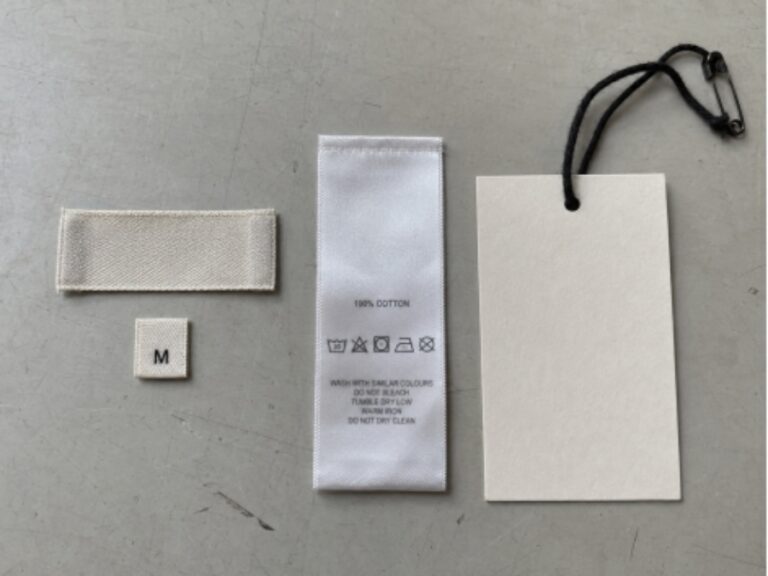
Private label clothing quality includes more than the sewn garment. Verify the main label position, care label content, hangtag attachment, sticker, individual bag, carton marks and any folding instruction against the approved brand file.
Packaging errors can create retail problems even when the garment itself is correct. Check that size and color information are legible, that the correct ratio is packed, and that cartons are protected from compression and moisture according to the confirmed packing method.
What the Final Inspection Record Should Show
A final inspection record should allow someone who was not present to understand the result. Include the style and order reference, inspected quantity, inspection date, sample or inspection basis, defects found, photographs when needed and the decision on release, rework or replacement.
- Use the same style number and version as the approved sample.
- Separate critical, major and minor defects when the buyer uses those categories.
- Record the affected size, color or carton instead of only reporting a total.
- Close the loop with evidence of rework or a confirmed commercial decision.
Kaou You Apparel uses incoming material checks, pre-production confirmation, first-piece inspection, in-process inspection and final inspection. The process covers fabric shrinkage, color differences, stitching, garment measurements, workmanship and packing, giving buyers a defined structure for private-label production.
Turn the Checklist Into a Release Decision
The final decision should be tied to the approved standard, not to whether the shipment feels close enough. If the record shows a problem, decide whether it requires correction before release, a documented acceptance or a replacement arrangement under the order terms.
A checklist is most valuable when it is shared before production starts. Send your measurement chart, approved sample, material references and brand packing requirements with the order so the inspection points reflect the product you actually plan to sell. You can discuss your QC requirements with us .
FAQ
What is checked first in apparel QC?
Material condition and approval status are checked before cutting. The team then confirms the pre-production standard, inspects the first garment, monitors production and completes the final garment and packing review.
Should every garment be measured before shipping?
The inspection method depends on the order agreement and the buyer’s risk plan. A factory may use staged checks during production plus final inspection, with measurement coverage defined for the style and size range.
What private-label defects are often overlooked?
Incorrect care content, misplaced labels, wrong hangtags, mixed size stickers and inconsistent folding are easy to miss when attention stays on sewing. Add brand and packing checks to the same release record.
Can buyers arrange third-party inspection?
Third-party inspection can be coordinated when it is included in the confirmed order plan. The buyer should define the agency, timing, inspection basis and documents required before production is complete.
What happens when a confirmed factory defect is found?
The issue should be documented with order information and clear evidence. Depending on the confirmed responsibility and order terms, rework, reproduction, replacement or another agreed support route may be arranged.