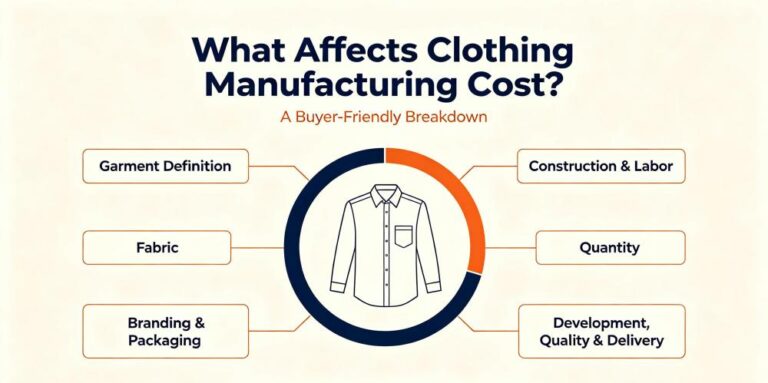
Choosing a clothing manufacturer affects product quality, launch timing, cash flow, compliance, and returns. We recommend treating manufacturer selection as supplier due diligence rather than a price comparison. Confirm technical fit first, verify the factory and its controls, then agree on commercial terms before committing bulk volume.
The 15 Checks at a Glance
| Check |
What to Confirm |
| Product expertise |
Experience with your garment category and construction |
| OEM/ODM capability |
Support for tech packs, sketches, images, or samples |
| MOQ |
Minimums fit your test-order and reorder plan |
| Capacity |
Production lines can support your calendar |
| Factory identity |
Legal entity, address, and documents are verifiable |
| Production ownership |
In-house work and subcontracting are disclosed |
| Social compliance |
Current audit reports are available when required |
| Buyer track record |
Similar products and export-market experience can be shown |
| Sampling |
Pattern, fit, and pre-production approval are defined |
| Revision control |
Changes are recorded before bulk cutting |
| Material sourcing |
Fabric, trims, color, shrinkage, and hand feel are approved |
| Branding |
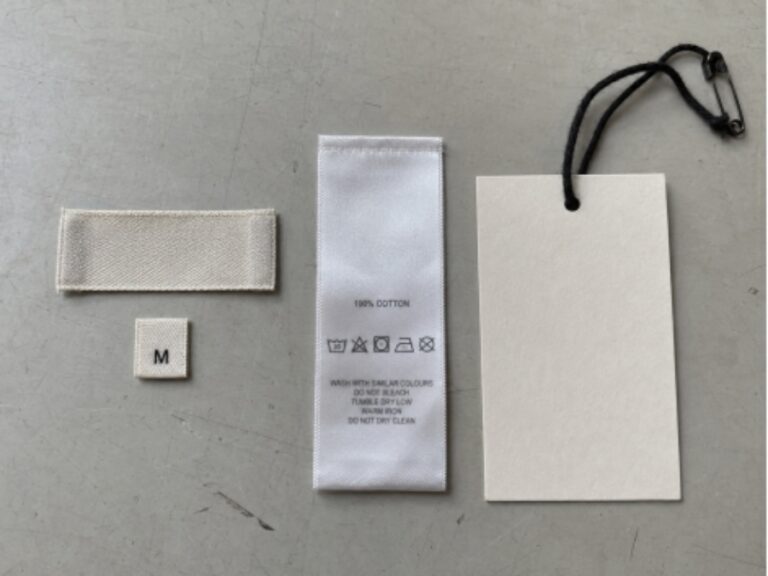
Labels, packaging, printing, and embroidery are supported |
| Quality control |
Material, in-line, final, and pre-shipment checks are defined |
| Lead time |
Development, production, inspection, and shipping are separated |
| Commercial terms |
Quote scope, payment, shipping, and claims are written |
Match the Factory to Your Product and Order Size
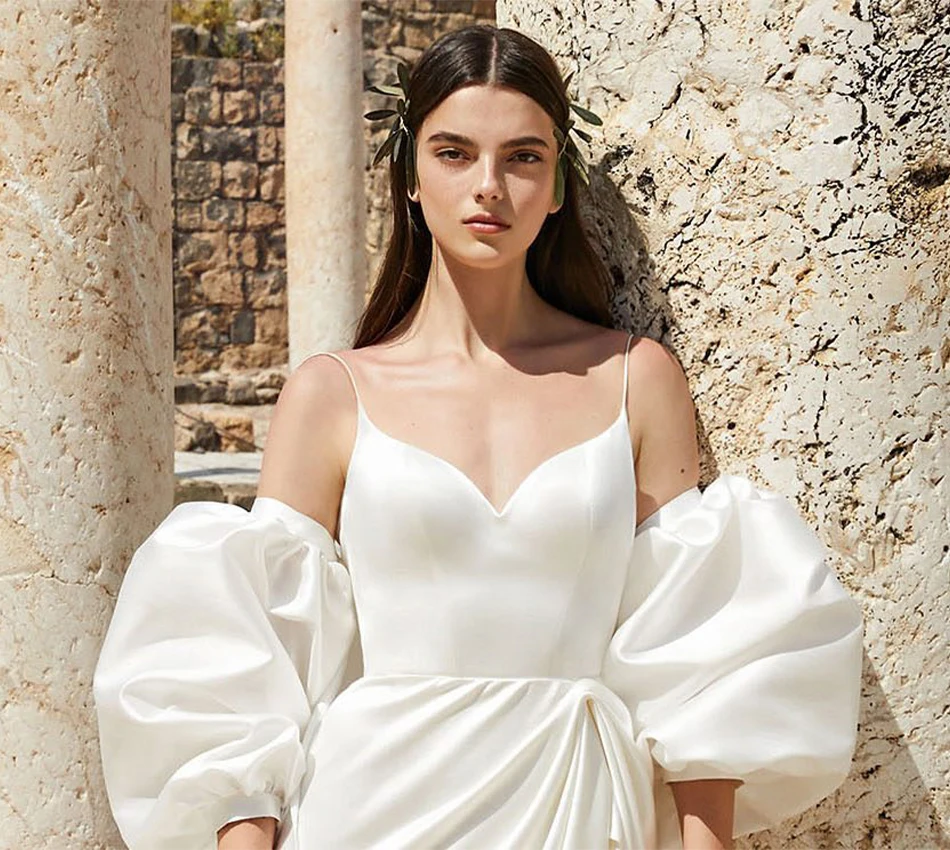
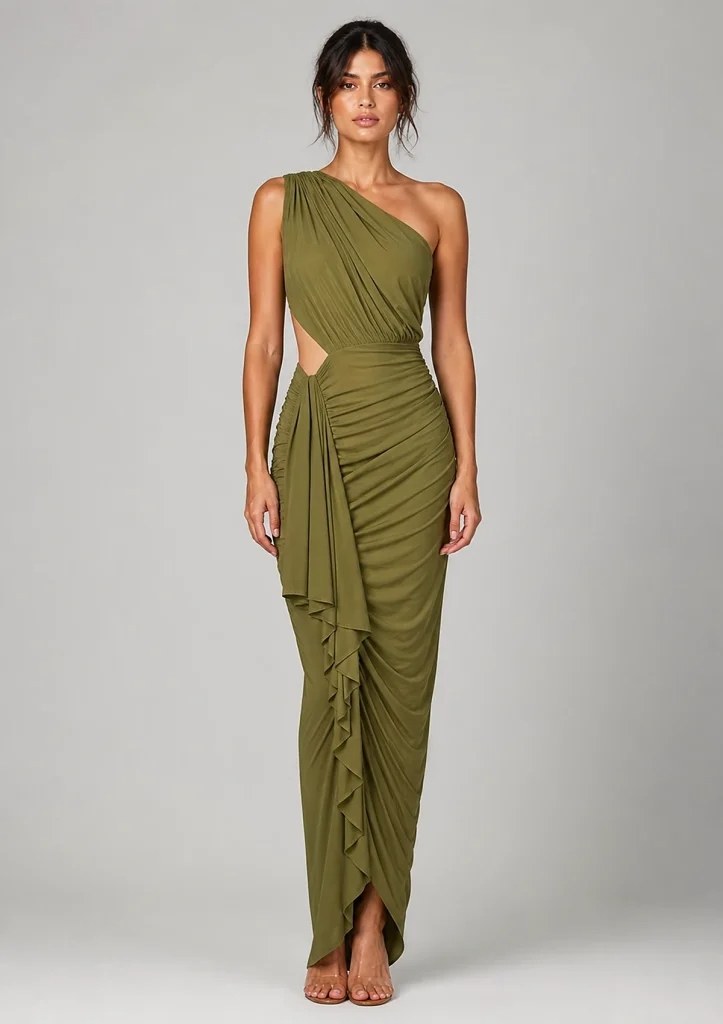
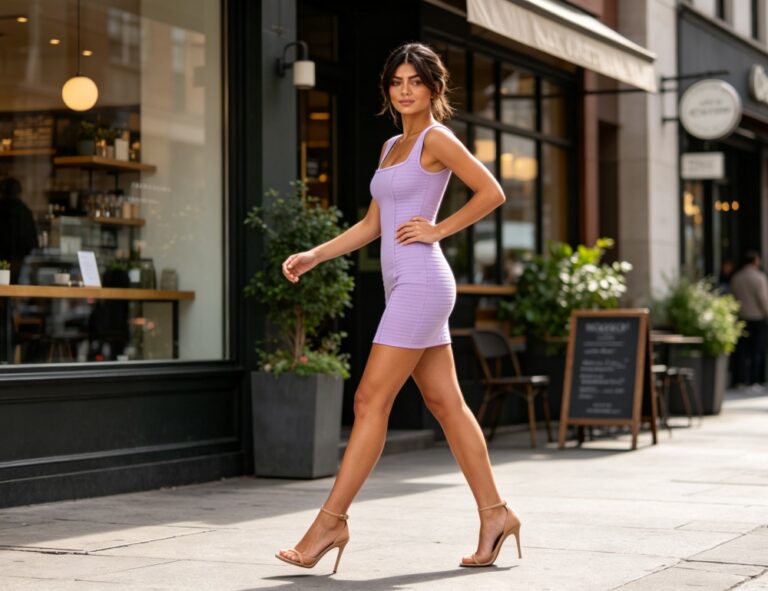
Product specialization should be the first filter. A factory making basic jersey tops is not automatically suitable for structured evening dresses, bandage garments, tailored wovens, or complex draping. Ask for recent products with comparable fabrics, seams, linings, hardware, prints, or embroidery. Technical similarity matters more than a long product list.
The production model must fit your team. OEM suits brands with detailed specifications, while ODM or full-package development can add support with patterns, fabrics, trims, and product development. At Kaou You Apparel, we can work from tech packs, sketches, reference images, and physical samples, with pattern development, grading, sourcing, labels, hangtags, and packaging in the same workflow.
MOQ and capacity should be reviewed together. For many Kaou You Apparel private-label programs, production starts from around 100 pieces per style/color, while some development programs may be quoted differently after technical review. Our factory operates 10 production lines with monthly capacity above 80,000 garments, supporting trial orders and larger repeats.
Verify the Factory Before Paying a Deposit
Factory identity should be easy to verify. Ask for the legal company name, business license, invoicing details, production address, relevant export documents, and the entity receiving payment. If a supplier claims to own production, confirm which stages are completed in-house and whether work is subcontracted.
Buyer history matters when it matches your project. Ask for similar products, export-market experience, repeat-order evidence, and inspection records rather than relying on brand logos alone.
Use Sampling to Test Technical Control
Sampling should confirm material, pattern, construction, fit, measurements, and the approval standard for bulk. At Kaou You Apparel, standard sample development is typically about 5–7 days, and common revisions can often be completed within about three days, depending on material availability and style complexity.
Every accepted revision should be reflected in the tech pack, measurement chart, pattern, bill of materials, or approved sample. Verbal changes leave different teams working from different information.
Material approval should happen before bulk cutting. Confirm composition, GSM, stretch, shrinkage, color, hand feel, lining, trims, and color references. Main labels, care labels, hangtags, polybags, and cartons should also be approved before production.
Inspect Quality Control and Lead-Time Discipline
Quality control should run through production rather than appear only at the end. Our workflow can include raw-material inspection, pre-production confirmation, first-piece inspection, in-process checks, final garment inspection, and pre-shipment review. Buyers may also appoint independent inspectors such as SGS, BV, or Intertek.
AQL sampling gives both sides a defined basis for final acceptance when written into the order requirements. SGS states that final random inspections can use ANSI/ASQ Z1.4, aligned with ISO 2859-1, for AQL sampling and reporting against agreed criteria.
Lead time should be broken into stages. Our standard bulk production is generally about 25–30 days after sample approval and material readiness; complex styles or larger orders may require 30–45 days. Brands should also allow time for materials, inspection, freight booking, and customs.
Compare Quotes on the Same Specification
A quotation is only comparable when every factory is pricing the same garment. Fabric composition and weight, lining, trims, workmanship, print or embroidery, quantity, size range, labels, packaging, inspection, Incoterm, and freight responsibility can all change cost.
A very low quote may reflect lighter fabric, simpler construction, cheaper trim, less inspection, or different delivery terms. We review the technical brief before confirming price because vague quotes are hard to compare.
Commercial terms should define deposit and balance timing, shipment responsibility, quality claims, rework, remake, replacement, and post-delivery handling. At Kaou You Apparel, confirmed production issues can be reviewed using photos, videos, and order information, with solutions handled under agreed order terms.
Check Label and Market Readiness
A manufacturer should be able to produce labels from approved market requirements. In the U.S., most textile products must disclose fiber content, country of origin, and the responsible manufacturer or marketer; EU rules also require clear fiber-composition labeling and local-language information where applicable.
Red Flags to Take Seriously
Slow down if a supplier gives a firm bulk price without reviewing specifications, refuses to clarify factory ownership, cannot explain its QC process, promises unusually short lead times without discussing materials, pushes for a large order before sample approval, or gives vague answers about defective goods.
Choose for Repeatability
The right manufacturer should reproduce the approved product on the next order. Patterns, measurements, fabric parameters, workmanship, labels, and packaging need controlled records. At Kaou You Apparel, existing style records can be retained for repeat production.
If you already have a tech pack, reference garment, sketch, or target quantity, send the project details through Kaou You Apparel’s contact page for a production review and quotation, or review our custom manufacturing services before starting development.
FAQ
What information should I send a clothing manufacturer for an accurate quote?
Send the garment type, tech pack or reference image, fabric specification, quantity by style and color, size range, branding, packaging, destination, and target delivery date.
What is a reasonable MOQ for a new clothing brand?
There is no universal MOQ. It depends on fabric minimums, dyeing, trims, construction, and factory scale. Smaller trial orders reduce inventory exposure but usually carry a higher unit cost.
Should I approve a sample before bulk production?
Yes. Bulk cutting should follow an approved sample or documented standard covering fit, measurements, fabric, color, trims, construction, branding, and accepted revisions.
How can I check whether a clothing manufacturer is legitimate?
Verify the legal company name, business documents, factory location, payment entity, production ownership, audit documents where relevant, and real production capability. A factory visit or independent audit adds another layer.
What quality inspection should I request before shipment?
Define defect categories and workmanship standards before production, then agree on in-line and final inspection requirements. For larger orders, brands often use pre-shipment random inspection with an agreed AQL plan.