As the global fashion industry enters 2026, a powerful nostalgic wave has swept across mainstream clothing markets worldwide, marking the full return of retro fashion. Unlike fleeting short-term trends, this revival covers classic styles spanning the 1970s, 1980s and 1990s, dominating streetwear, casual wear and even high-street fashion collections. Timeless vintage pieces are redefining current fashion aesthetics, injecting a warm, nostalgic vibe into the modern fashion landscape and winning over consumers of all age groups, especially young shoppers.
1. The Full Resurgence of Retro Fashion: Key Iconic Pieces Leading the Trend
The 2026 retro fashion boom is not a vague aesthetic trend, but a concrete revival of representative clothing items and design elements from three classic eras. These pieces have shifted from niche vintage collections to mainstream bestsellers, with demand surging in both physical retail stores and online fashion platforms. Below are the most sought-after retro items that have become wardrobe staples for fashion lovers this year.
1.1 Classic Retro Clothing Items Taking the Market by Storm
-
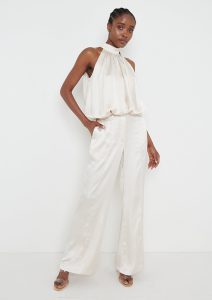
Flared Pants: Originating from the 1970s bohemian and casual style, flared pants have replaced slim-fit and straight-leg jeans as one of the most popular bottom wear items in 2026. Modern versions retain the classic wide-leg flare design while optimizing tailoring for a more flattering fit, matching perfectly with slim tops and casual sweaters for a versatile, retro-chic look.
-
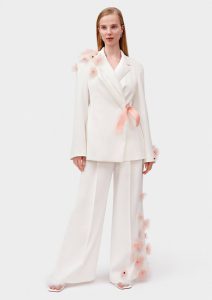
Shoulder Pad Designs: A signature element of 1980s power dressing, structured shoulder pads have made a strong comeback in blazers, shirts and dresses. This year’s designs tone down the exaggerated silhouette of the 80s, adding a subtle structured touch to enhance the overall sense of style, appealing to both casual wearers and office workers seeking a polished look.
-
Tie-Dye Prints: A timeless retro print rooted in the 1970s hippie culture, tie-dye patterns are featured on T-shirts, dresses and hoodies in 2026. New-age tie-dye uses softer color palettes and refined printing techniques, avoiding overly bright and clashing tones, making it more suitable for daily wear and aligning with modern minimalist aesthetics.
-
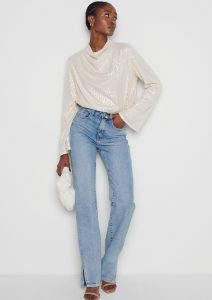
High-Waisted Jeans: A staple of 1990s casual fashion, high-waisted jeans remain a core retro piece this year. They accentuate the waistline, elongate the leg line and suit all body types, paired with cropped tops, vintage band tees or oversized sweaters to create a relaxed, youthful retro look that never goes out of style.
2. Core Drivers Behind the Retro Fashion Revival
The rapid rise of retro fashion in 2026 is not a random trend, but the result of multiple overlapping factors, including consumer psychology, cultural influence and market demand. Two major forces have played a pivotal role in pushing vintage styles from the margins to the mainstream, making them a global fashion phenomenon.
2.1 Nostalgia Psychology Among Young Consumer Groups
2.1.1 Post-90s and Post-00s Consumers as the Main Driving Force
Young consumers born in the 1990s and 2000s are the core group fueling the retro fashion boom. For post-90s, retro styles trigger fond memories of their childhood and teenage years, evoking a sense of emotional resonance; for post-00s, these vintage looks are fresh and unique, offering a break from the homogeneous fast fashion styles that have dominated recent years. Many young shoppers note that retro fashion allows them to express their personal style and stand out from the crowd, as vintage pieces have unique stories and distinct characteristics that mass-produced fast fashion cannot replicate. This pursuit of individuality and emotional connection has made retro styles highly appealing to Gen Z and young millennials.
2.1.2 The Pursuit of Individuality in Fashion Choices
In an era where fast fashion leads to identical outfits, more young people are rejecting generic clothing and seeking unique styles to showcase their personality. Retro fashion, with its diverse era-specific designs and non-repetitive styles, perfectly meets this demand. Unlike standardized fast fashion items, retro-inspired clothing has a distinctive aesthetic that helps wearers build a unique personal image, making it a top choice for young consumers who value originality and self-expression.
3. Market Response and Future Growth Prospects
The booming retro fashion trend has not gone unnoticed by the fashion industry, with brands and retailers quickly adjusting their strategies to capitalize on this opportunity. At the same time, industry analysts have released positive growth forecasts, indicating that the retro clothing market will maintain strong momentum in the coming years, becoming a key growth segment in the global fashion industry.
3.1 Fashion Brands Launch Retro-Inspired Collections
Major fashion brands, both high-street and mid-range, have seized the retro trend and launched exclusive retro-inspired collections. These collections cleverly blend classic retro designs with modern fashion elements, avoiding a full copy of vintage styles and instead optimizing fabrics, cuts and details to fit the aesthetic habits and wearing needs of contemporary consumers. For example, brands use lightweight, breathable fabrics for 70s-style flared pants, add modern minimalist details to 80s shoulder pad blazers, and use sustainable materials for 90s high-waisted jeans. This combination of nostalgia and modernity makes retro clothing more adaptable to current lifestyles, winning widespread recognition from consumers.