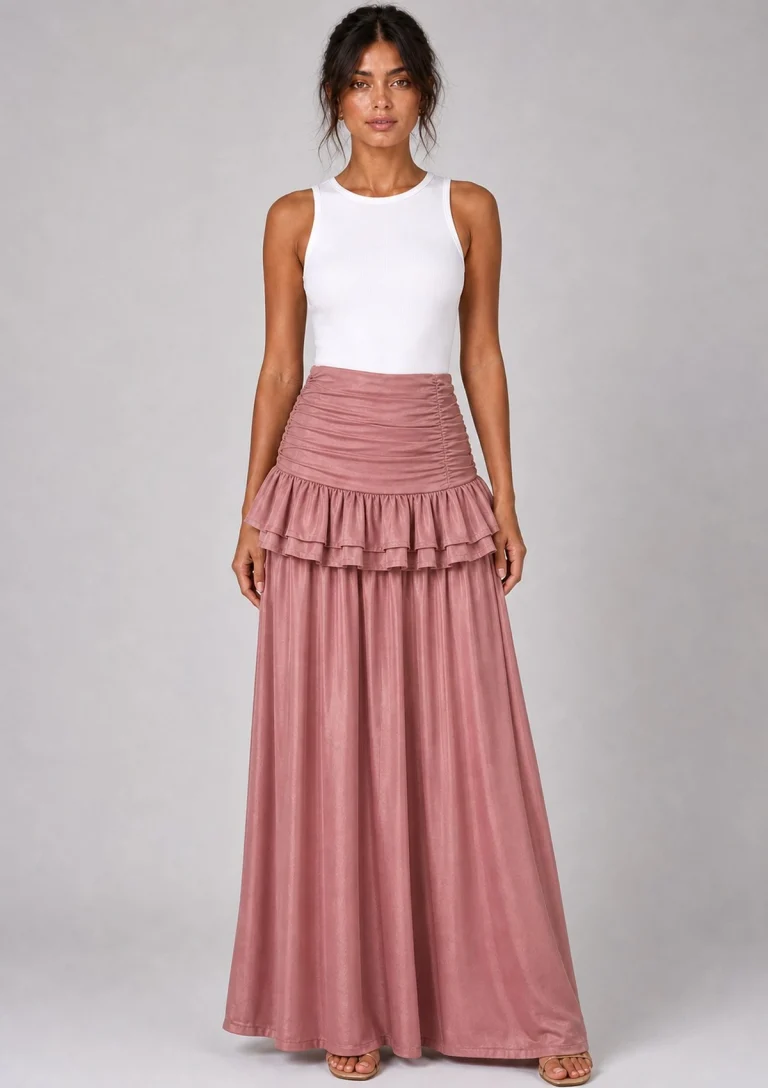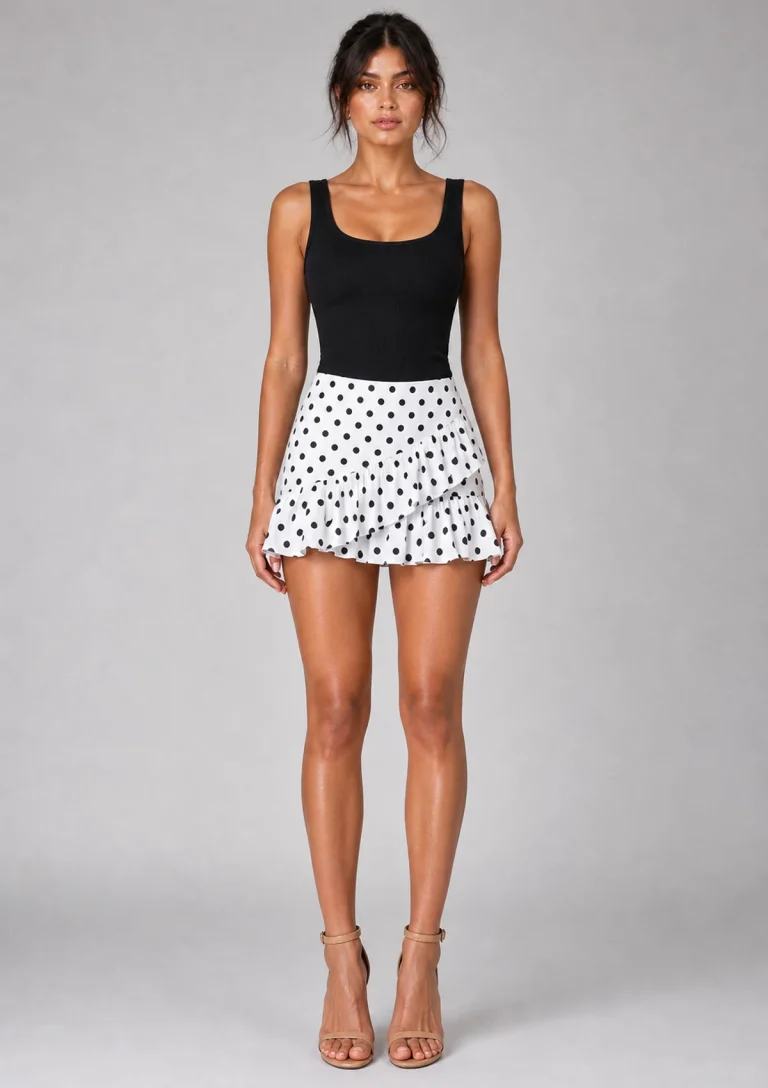
Quality problems rarely begin with one dramatic defect. They begin when a fabric change, measurement drift, weak seam, or packing mistake passes through production without a clear owner. This garment quality control checklist gives private label brands a practical way to organize checks from material approval to pre-shipment inspection.
Quality starts with an agreed product standard
A useful quality standard turns the approved design into observable checks. The standard should cover fabric, color, measurements, workmanship, trims, labels, and packing rather than a general instruction such as “make it like the sample.”
The approved sample is the visual reference, but it is not enough on its own. A private label team should connect the sample to measurement specifications, fabric information, construction notes, and tolerance rules.
For brands buying women’s fashion apparel, the highest-risk points often sit where appearance and function meet. A bodycon dress may look correct while its stretch recovery or seam tension is unsuitable.
This is why a private label garment inspection checklist should describe the product version being checked, not just generic defect words.

The four control points that matter most
A dependable apparel QC process uses several checkpoints because different defects become visible at different moments. Catching a fabric issue before cutting is less costly than discovering it after sewing.
1. Material and pre-production approval
Material inspection confirms that production is starting with the agreed inputs. Review fabric composition, width, weight where specified, shade, hand feel, stretch, recovery, surface defects, and shrinkage risk against the approved standard.
Pre-production approval also confirms the final sample, trims, labels, artwork, and construction method. For custom garments, this is the point to make sure the factory is working from one current version of the buyer’s requirements.
2. First-piece inspection
The first-piece check tests whether the production line has translated the approved version into a repeatable garment. Review key measurements, stitch density, pressing, closures, trim placement, and overall silhouette.
A first-piece issue should trigger a clear correction and recheck. Continuing production while the first garment is still under discussion can multiply a small problem across the order.
3. In-process inspection
In-process inspection looks for drift while production is moving. Inspectors should sample different operators, bundles, sizes, colors, and production times so the review does not represent only one early section of the line.
The focus should follow the garment’s risk profile. Stretch garments may need closer attention to seam recovery, while woven styles may need more checks for snagging and shade variation.
4. Final garment and packing inspection
Final inspection verifies that the finished lot matches the approved product and can be released in the promised presentation. The review should cover appearance, measurements, workmanship, labels, folding, bags, carton marks, and quantity.
Kaou You Apparel uses pre-production confirmation, first-piece inspection, in-process checking, final garment inspection, and packing review as connected quality controls.
The production system covers fabric inspection, cutting, sewing, finishing, and packaging in-house, which supports clearer responsibility when a defect is traced back to an earlier stage.

A practical checklist for private label garments
A clothing inspection checklist is strongest when it separates major defect families. This makes the inspection easier to record and helps the buyer see whether a problem is isolated or repeated.
- Materials: fabric shade, composition, width, surface defects, stretch, recovery, shrinkage, lining, and approved trims.
- Measurements: critical points from the specification sheet, size grading, symmetry, length, waist or bust balance, and agreed tolerances.
- Workmanship: skipped stitches, broken stitches, open seams, puckering, uneven hems, loose threads, poor pressing, stains, and visible damage.
- Design execution: silhouette, gathers, pleats, drape, print or embroidery placement, closure function, and trim position.
- Brand details: main label, care label, hangtag, sticker, barcode or artwork placement, language, and attachment quality.
- Packing: folding, individual packaging, size and color separation, carton quantity, carton marks, moisture protection, and packing-list accuracy.
The checklist should also record defect location, size or color, severity, quantity inspected, corrective action, and recheck status.
How to turn inspection findings into a release decision
Inspection only protects the buyer when findings lead to a decision. Before production begins, agree who can approve the first piece, who can authorize a correction, and what evidence is needed before a held lot is released.
| Checkpoint |
Typical evidence |
Owner |
Release question |
| Material approval |
Swatches, shade review, fabric data |
Buyer + factory |
Are inputs consistent with the approved version? |
| First piece |
Measured garment and construction review |
Factory QC + buyer |
Can the line repeat the approved garment? |
| In-process check |
Sampled defects and corrective records |
Factory QC |
Is production staying within the agreed standard? |
| Final inspection |
Lot report, photos, packing review |
Buyer or inspector |
Can the finished lot ship as presented? |
Sampling plans can support consistency when the buyer and factory agree on the inspection level and acceptance rule before the shipment is ready. AQL is a sampling framework, not a substitute for a product-specific standard.
Clear escalation matters as much as the sampling method. A measurement issue may require sorting or rework, while a material substitution may require buyer approval before the lot can move forward.
Where manufacturer capability changes QC risk
A manufacturer’s operating model affects how easily quality information travels. When cutting, sewing, finishing, and packing are coordinated inside one production system, the team can connect a finished defect to the material, pattern, sewing, or finishing stage.
Kaou You Apparel supports buyer-led OEM/ODM development for women’s apparel, including fabric sourcing, pattern adjustment, sample review, private labels, hangtags, packaging, and bulk quality-control communication.
For brands that need apparel quality control support for brands, this coordination can be as important as the inspection itself.
The practical takeaway for private label buyers
The best garment quality control checklist connects four things: the approved product, the inspection point, the evidence recorded, and the decision that follows. Review materials before cutting, confirm the first piece, inspect production while the line is active, and check the final garment and packing before release.
Keep the checklist specific to the style, fabric, size range, labels, and market presentation. When the standard and escalation path are clear, women’s clothing production quality checks become a practical release system rather than a last-minute visual check.
For a private label quality-control discussion, contact us with the garment type, approved sample status, size range, and inspection priorities.
FAQ
What should a garment quality control checklist include?
It should cover materials, measurements, workmanship, labels, packing, inspection evidence, and the release decision for that garment.
When should clothing quality be checked?
Check quality before cutting, during first-piece production, during line inspection, and again at final packing.
What is the purpose of a first-piece inspection?
It confirms that the production line can reproduce the approved sample before a small problem spreads across the order.
Is AQL enough for private label clothing inspection?
AQL supports a release decision, but it should sit alongside product-specific measurements and workmanship rules.
Can a manufacturer handle private label QC and packaging checks?
Yes. A capable manufacturer can coordinate material checks, production inspection, packing review, and corrective follow-up.